

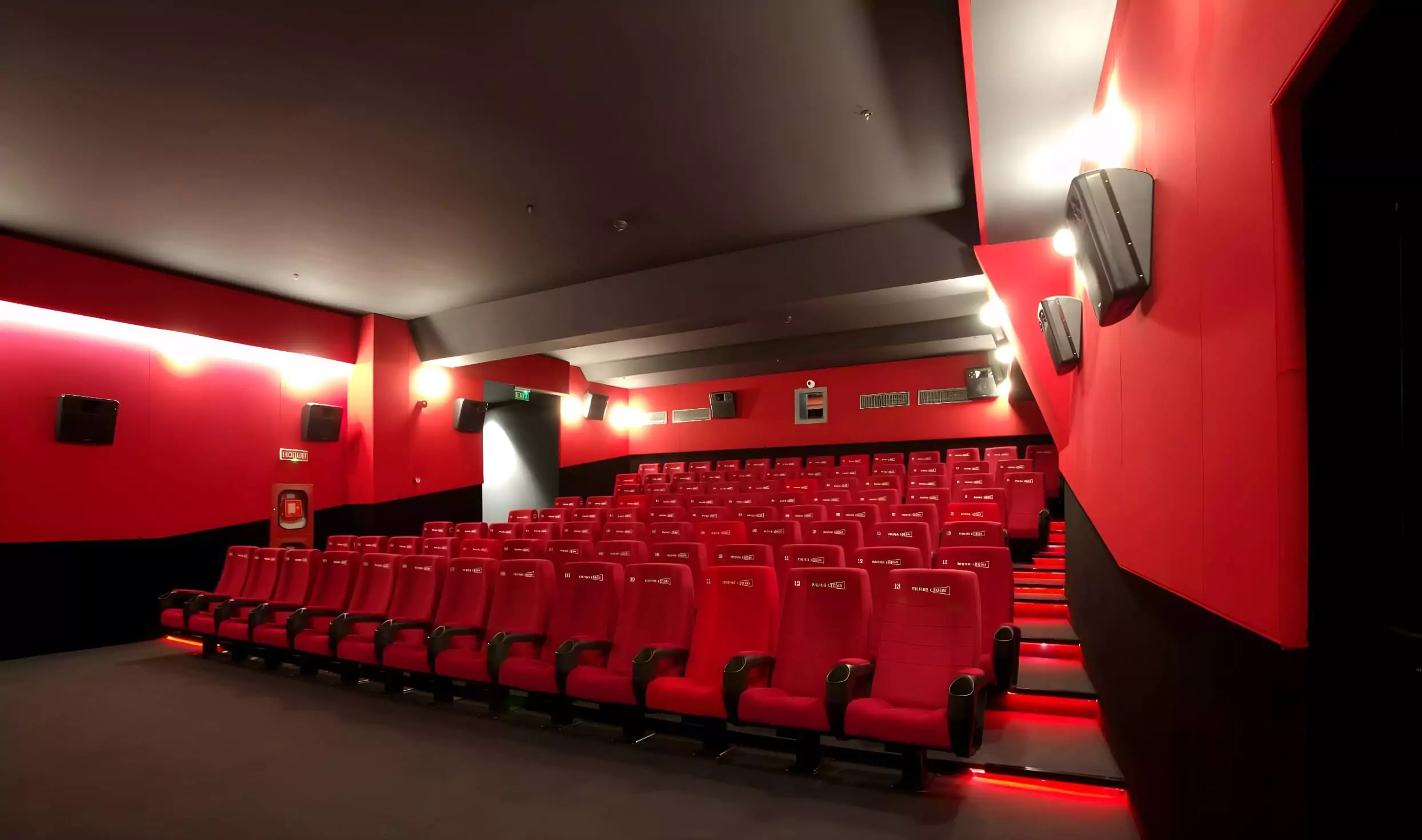
Cinema Seating for European Theatres
Cinema theatres across Europe are shaped by a shared expectation of quality, restraint, and reliability. While formats and architectural styles may vary from country to country, the role of cinema seating remains consistent. Seating must support immersion, maintain order, and perform reliably over long operational lifecycles.
In European cinemas, seating is not an expressive feature. It is a functional system designed to work quietly in the background while supporting the overall theatre experience.
European Approach to Cinema Seating
European cinema environments place strong emphasis on balance. Comfort is important, but it must not compromise structure, circulation, or visual discipline.
European oriented cinema seating supports
Controlled comfort rather than excessive softness
Predictable audience behavior
Clear definition of personal and shared space
This approach reflects a broader European preference for seating that performs consistently rather than dramatically.
Seating as Part of Theatre Architecture
Cinema seating in Europe is closely integrated with architectural planning. Seat dimensions, row spacing, and alignment are defined in relation to sightlines, acoustics, and spatial rhythm.
Well integrated seating contributes to
Clear and uninterrupted views of the screen
Logical circulation within the auditorium
Visual harmony between seating and architecture
Seating is treated as an architectural component rather than a decorative addition.
Supporting Long Form Viewing
European cinemas regularly screen long format films and host special screenings that require extended attention. Seating must maintain comfort without encouraging unnecessary movement.
Cinema seating developed for European use focuses on
Balanced back support
Stable seating posture over time
Reduced physical fatigue during long sessions
The goal is sustained focus rather than immediate softness.
Acoustic Discipline and Quiet Operation
Sound quality is central to the cinema experience. Seating must remain acoustically neutral and mechanically silent to avoid disrupting immersion.
Professional cinema seating systems are designed to
Avoid noise during sitting and movement
Remain stable without vibration
Support consistent acoustics across the auditorium
This acoustic discipline is essential in European theatres where sound design is highly valued.
Durability in High Use Environments
European cinemas often operate with high attendance and frequent screenings. Seating systems must withstand continuous use while maintaining structural integrity and appearance.
Durable cinema seating solutions rely on
Strong internal structures
Materials resistant to deformation
Construction methods that preserve alignment over time
Durability ensures long term reliability and operational continuity.
Visual Order and Seating Rhythm
Cinema seating occupies a significant portion of the visual field inside the theatre. In European venues, visual restraint and repetition are preferred over expressive forms.
Visually disciplined seating supports
A calm and ordered atmosphere
Consistent rhythm across seating rows
Focus directed toward the screen
This restraint reinforces immersion rather than competing with it.
Adaptability Across European Cinema Formats
European cinemas host a wide range of formats, from independent theatres to large multiplexes. Seating systems must adapt to different layouts and concepts without losing performance consistency.
Adaptable cinema seating allows
Use across varied auditorium sizes
Consistent comfort regardless of format
Long term relevance as cinema models evolve
Adaptability is achieved through planning rather than complexity.
Operational Efficiency and Maintenance
Cinema seating affects daily theatre operations, including cleaning, inspection, and maintenance. European operators value systems that support efficient workflows.
Well planned seating systems support
Efficient cleaning access
Predictable maintenance routines
Reduced downtime between screenings
Operational efficiency contributes directly to sustainability.
Cinema Seating as a Long Term Asset
In European markets, cinema seating is evaluated over many years of use. Decisions are made with long term performance and lifecycle value in mind.
A long term seating strategy prioritizes
Structural reliability
Stable comfort levels
Reduced need for replacement
Seating becomes a durable asset rather than a recurring expense.
The Quiet Success of European Cinema Seating
The most effective cinema seating is rarely noticed by the audience. Its success lies in how seamlessly it supports the viewing experience.
When seating performs correctly, it
Maintains audience focus
Eliminates physical distraction
Reinforces the theatre atmosphere
Conclusion
Cinema seating for European theatres is defined by balance, discipline, and long term thinking. It supports comfort without excess, structure without rigidity, and immersion without distraction.
When cinema seating is designed as an integrated system aligned with European expectations, it becomes an invisible but essential contributor to reliable, immersive, and enduring cinema environments.
Created By : Monseat